
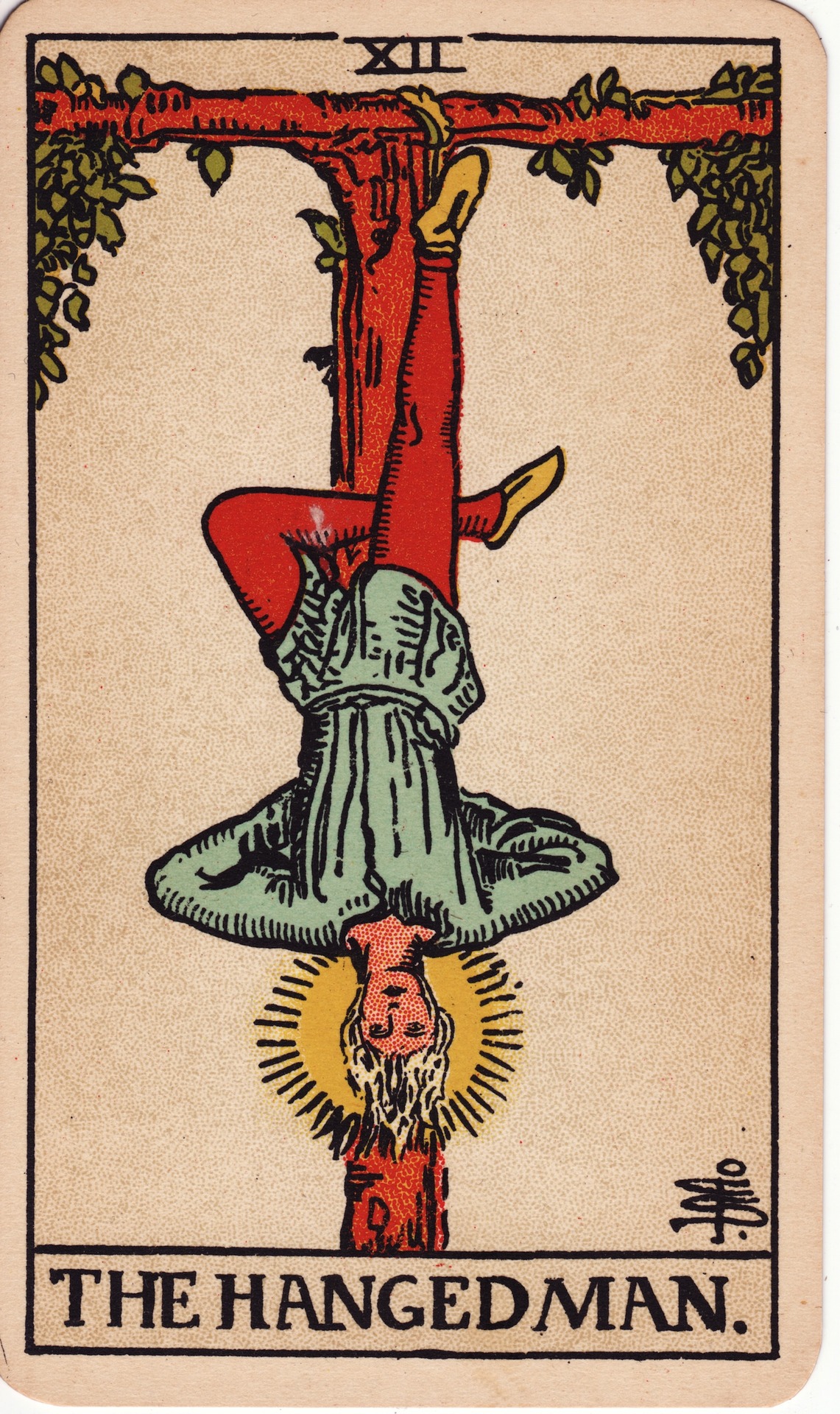
The Hanged Man — Tarot Card Meaning
If pushing harder isn't working, The Hanged Man offers a different power: pause and perspective.

Introduction
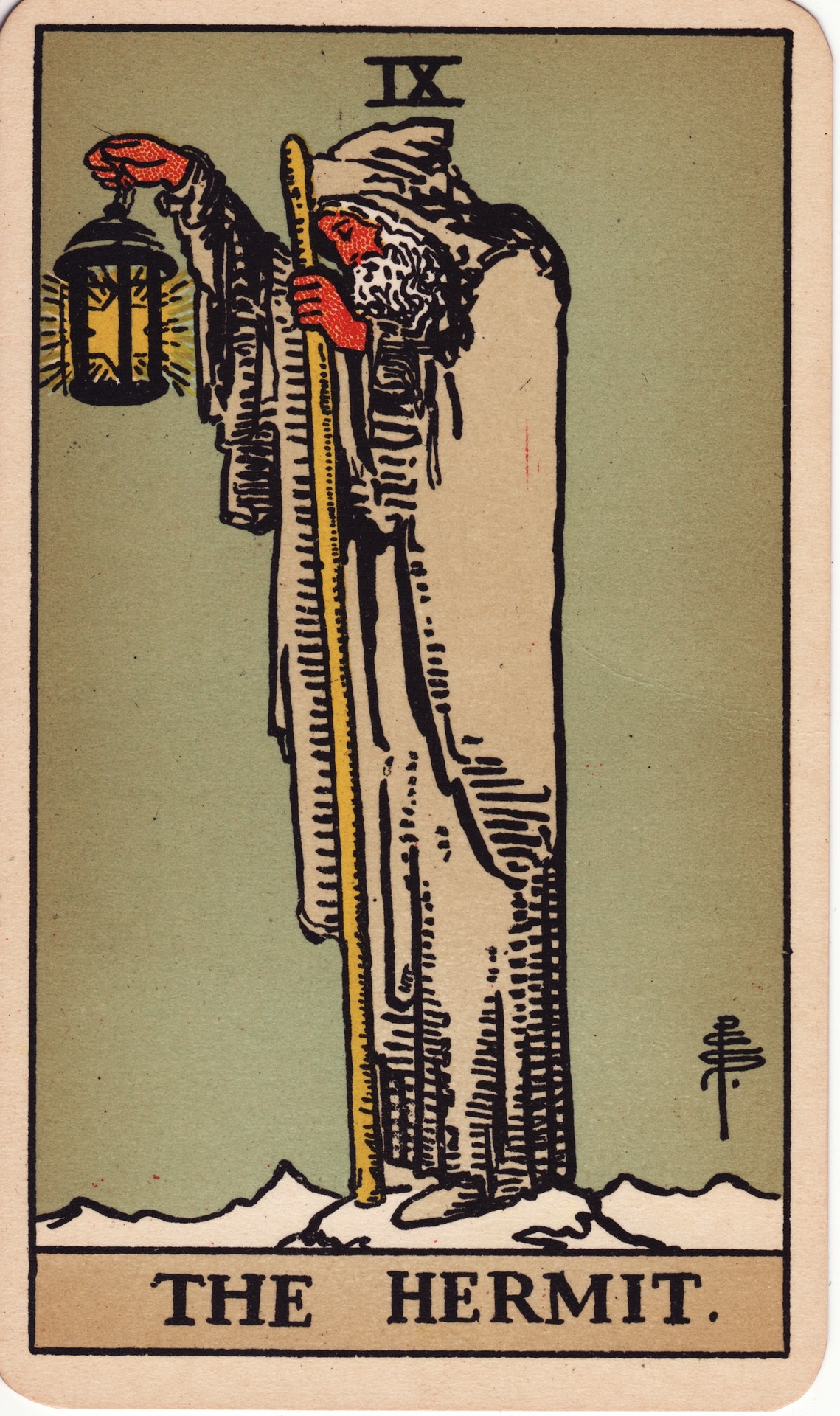
If you pulled The Hermit, you may be craving space—space to think, breathe, and stop reacting to everyone else's noise. Sometimes it's not that you don't know what to do. It's that you can't hear yourself over the opinions, messages, and "urgent" emotions.
This card often appears when the best answers are internal, not external. Many readers interpret it as a protective pause: a moment to step back, gather facts, notice patterns, and choose the next move with integrity.
The Hermit doesn't demand you vanish. It invites intentional solitude—time that has a purpose. In readings, it can signal study, reflection, mentorship, spiritual practice, or simply reducing stimulation so clarity can rise.
Upright, The Hermit supports reflection, learning, and quiet wisdom. Reversed, it can point to isolation, avoidance, or getting stuck in analysis while life keeps moving.
If you're here for the quick practical take, jump to the Advice from the Card section and start with the tiny first step.
Symbolism & Imagery
The Hermit's symbols are a map: they show how to find clarity without forcing answers. Read them like a scene—what supports you, what slows you down, and what lights the next step.
- Lantern — inner guidance: Use it to find the next step, not to demand a full prophecy.
- Star in the lantern — truth: Ask "what is true right now, without my fears added?"
- Staff — support: Build one steady routine that holds you while you decide.
- Cloak — privacy: Protect your energy; reduce oversharing while you're unsure.
- Mountain peak — perspective: Take distance from the situation so patterns become obvious.
- Slow stance — patience: Choose timing over speed; some answers arrive when you stop chasing.
- Empty landscape — simplicity: Remove noise, distractions, and extra opinions for 24–72 hours.
- Grey robe/white hair (sage image) — earned wisdom: Learn from experience, mentors, and reflection before you act.
General Meaning
Inner Guidance & Discernment
Core theme: Mastering your impulses through love, not fear.
This energy feels like: Taking a deep breath when you want to yell. Staying kind when someone is rude. Holding space for someone’s pain without fixing it.
Key lesson: You are stronger than you think. You can handle this situation by softening your resistance, not by hardening your heart.
Practical application: Where in your life are you forcing things? Try trusting yourself instead.
Isolation Without Clarity
Core theme reversed: Feeling weak, drained, or overrun by emotion.
Common blocks/patterns: Imposter syndrome, lashing out from stress, or shutting down completely.
What it may signal: You’ve been "strong" for too long and you’re depleted. The lion is biting back because it’s hungry for rest.
What to rebalance: Drop the mask. Admit you are tired. Real strength admits vulnerability.
Love & Relationships
Love Overview
In love, Strength often points to steady affection, patience, and loyalty. It’s less about fireworks and more about the warmth that stays when life gets real.
For Singles
The Vibe: You like someone, but you’re tempted to play it cool to avoid rejection. Strength suggests confidence without armor: be warm, not needy.
Do: Show interest directly, pace yourself, choose partners who feel safe.
Avoid: Chasing validation, hiding feelings behind games, tolerating disrespect “to be chill”.
For Couples
The Vibe: You’ve had tension, and one comment could turn into a full fight. Strength suggests de-escalation without self-erasure.
Do: Speak gently but clearly, repair quickly, protect respect during conflict.
Avoid: Silent punishment, keeping score, proving a point at the cost of trust.
Complicated / Situationships
The Vibe: The connection is intense, but you feel you’re doing all the emotional work. Strength suggests self-respect: calm boundaries, not endless patience.
Do: Set a clear standard, ask for reciprocity, watch actions over promises.
Avoid: Rescuing, waiting indefinitely, mistaking intensity for intimacy.
Exes / Breakups
The Vibe: You’re trying to be “fine,” but you still miss them. Strength suggests: let grief be honest, but keep dignity.
Do: Build your support system, choose a no-contact window if needed, focus on self-trust.
Avoid: Chasing closure through arguments, reopening wounds for temporary comfort, self-blame.
Feelings & Emotions
How They Feel (Upright)
Many readers interpret upright feelings as warm attraction combined with respect and care.
- Emotional Tone: Tenderness, admiration, and protective loyalty.
- Behavioral Signs: They’re gentle in communication, and they show up consistently without creating drama.
How They Feel (Reversed)
Reversed feelings are often read as insecurity, fear of vulnerability, or emotions that feel strong but hard to handle.
- Emotional Tone: Self-doubt, guarded affection, and irritability from stress.
- Behavioral Signs: They go quiet when emotions deepen, or they become reactive when they feel powerless.
💡 Feelings Reality Check
- Observe: Look for consistency and respect under stress.
- Ask: One direct question about how they want to proceed.
- Clarify: Name what “care” looks like in actions.
- Confirm: Watch follow-through over time.
- Choose: Decide based on safety, reciprocity, and your standards.
Career & Money
Career Meaning
In career, Strength often suggests resilience, calm leadership, and influence without force. It’s a strong signal for situations that require emotional intelligence.
- You’re leading without formal authority.
- You’re managing conflict or difficult conversations.
- You’re under pressure and need stamina.
- You’re rebuilding confidence after a setback.
- You need to stay consistent while others react.
Action Step: Practice de-escalation (pause, breathe, respond).
Money Meaning
Financially, Strength often points to steady discipline and emotional regulation around spending. It’s about sustainable habits, not harsh restriction.
- You spend more when stressed or lonely.
- You’re trying to rebuild savings slowly.
- You need patience with long-term goals.
- You’re building a buffer for safety.
- You need to say “no” to lifestyle pressure.
Action Step: Create a simple budget with a “comfort” category.
Quick Reference Guide
| Position | General Meaning |
|---|---|
| Upright | Reflection, wisdom, clarity, discernment. |
| Reversed | Isolation, avoidance, overthinking, withdrawal. |
| Love | Space with intention, slower pacing, depth. |
| Career | Research, mastery, strategy, independent work. |
| Yes/No | Maybe / Not Yet (yes after clarity). |
Advice & Warnings
Advice from the Card
Strength teaches a simple truth: you don’t need to harden to be powerful. You can be gentle and still have boundaries.
- Notice what triggers you.
- Name the feeling without shame.
- Choose the response you respect.
- Write one boundary in one sentence.
- Talk softly and clearly.
⚡ Tiny First Step
Put one hand on your chest, breathe out slowly, and say: “I can handle this one step at a time.”
Warnings & Pitfalls
- Confusing patience with tolerance: instead, set a boundary and keep it.
- Over-functioning to feel worthy: instead, ask for one specific support.
- Suppressing feelings until you explode: instead, name emotions early.
- “Being strong” as isolation: instead, let someone witness you.
- Trying to force closeness: instead, build trust through consistency.
Sacred Connections
Numerology (VIII): Mastery, self-respect, and sustained power. It’s the strength that grows through practice and integrity. Practically, it asks you to build confidence through small promises you keep.
Element (Fire): Heart-led courage—warm, brave, and generous when balanced. When imbalanced, it can become prideful or reactive. Use it to lead with warmth while staying firm.
Astrology (Leo / Sun): This correspondence emphasizes confidence, heart, and healthy pride. Traditions vary, so treat it as an optional layer, not a strict rule.
Archetype: “The Gentle Warrior.” As a lens, it represents the part of you that meets fear with compassion and stays steady without losing softness.
In a Reading
Card of the Day
Choose a calm form of courage today. Not a big dramatic move—one steady act you can repeat. Actions: do one hard conversation gently, keep one promise to yourself, and rest before you’re empty.
Past, Present, Future
- Past: A period where you had to stay steady under pressure. It can also reflect how you learned to manage emotions—either through resilience or through hiding pain.
- Present: Patience and emotional maturity are your leverage. You don’t need to prove anything through force. A calm boundary may do more than a heated explanation.
- Future/Outcome: Gradual healing and confidence growth if you keep going. Results shaped by compassion, steady self-control, and healthy boundaries.
Card Combinations
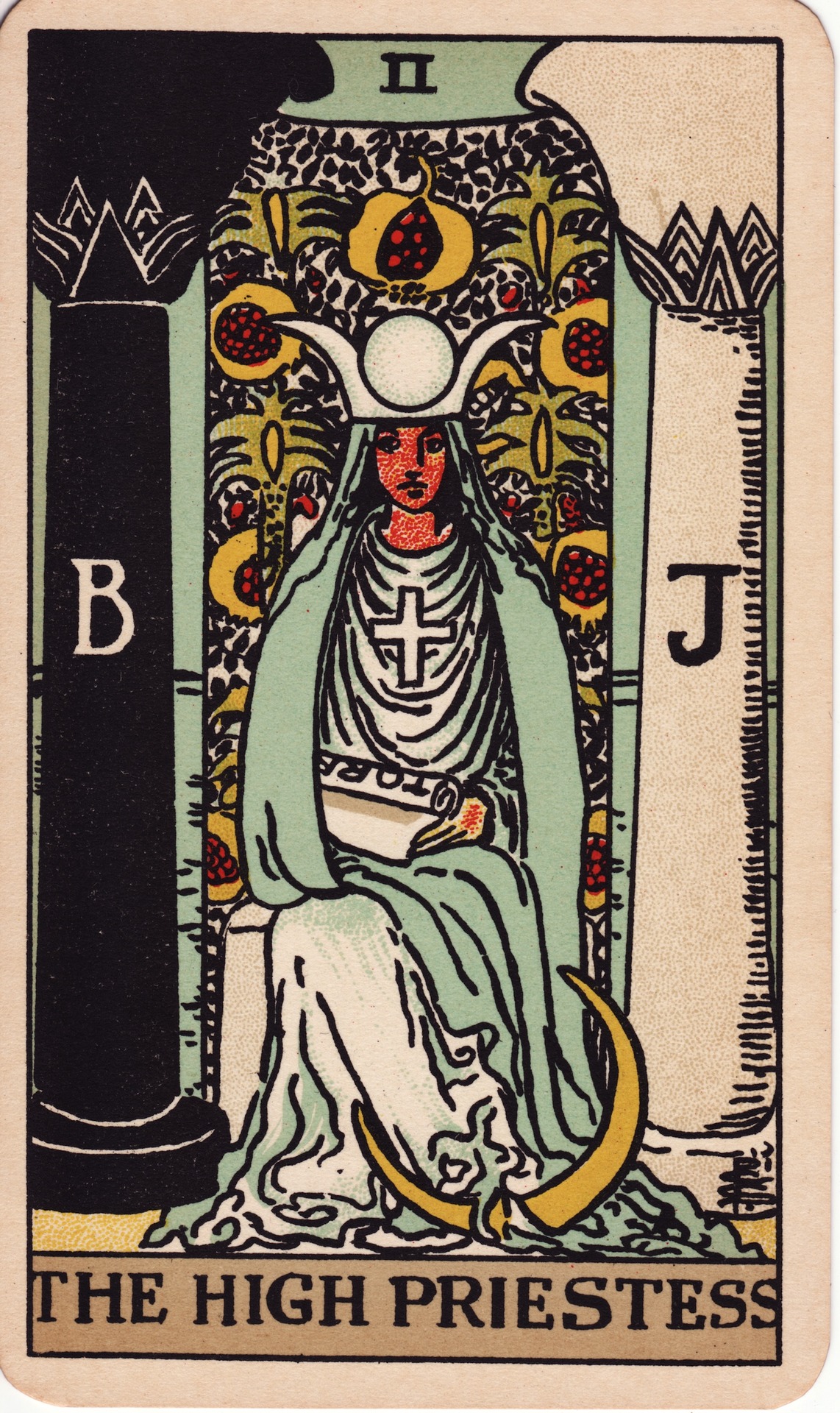
The Hermit + The High Priestess
Quiet knowing—trust inner guidance, then verify with time and facts.
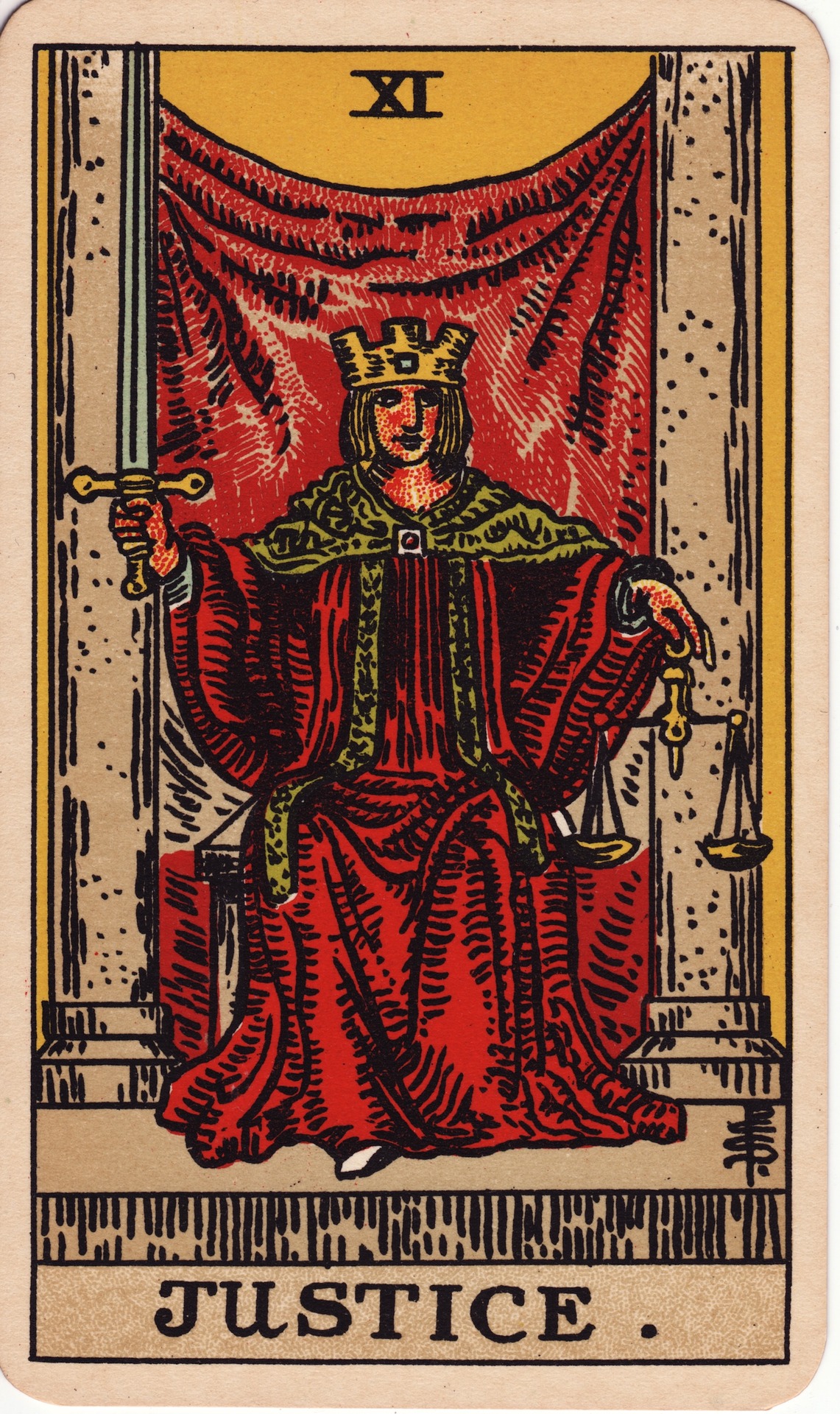
The Hermit + Justice
Discernment and truth—make a clean choice you can explain and defend.
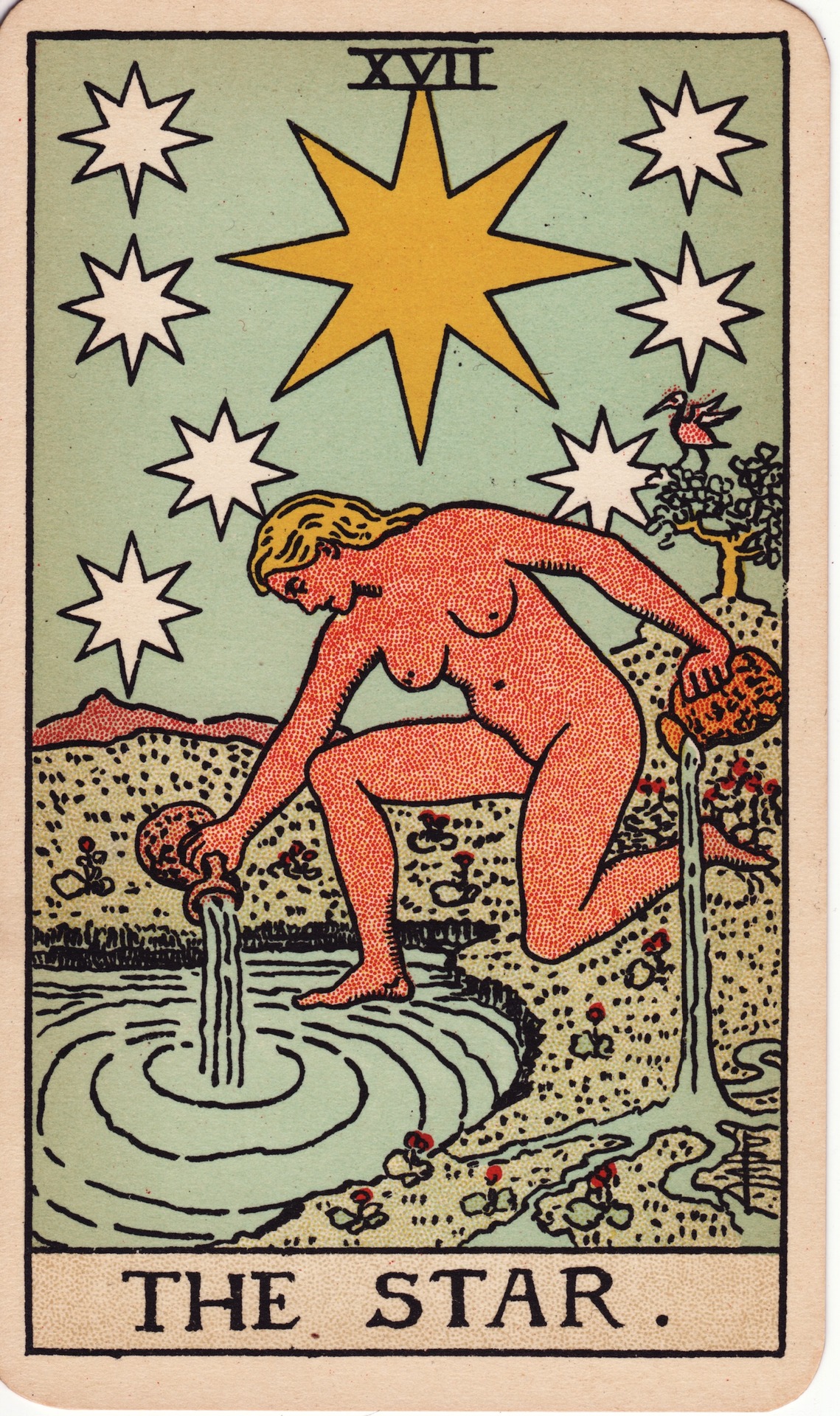
The Hermit + The Star
Hope after reflection—healing grows when you simplify and stay gentle with yourself.
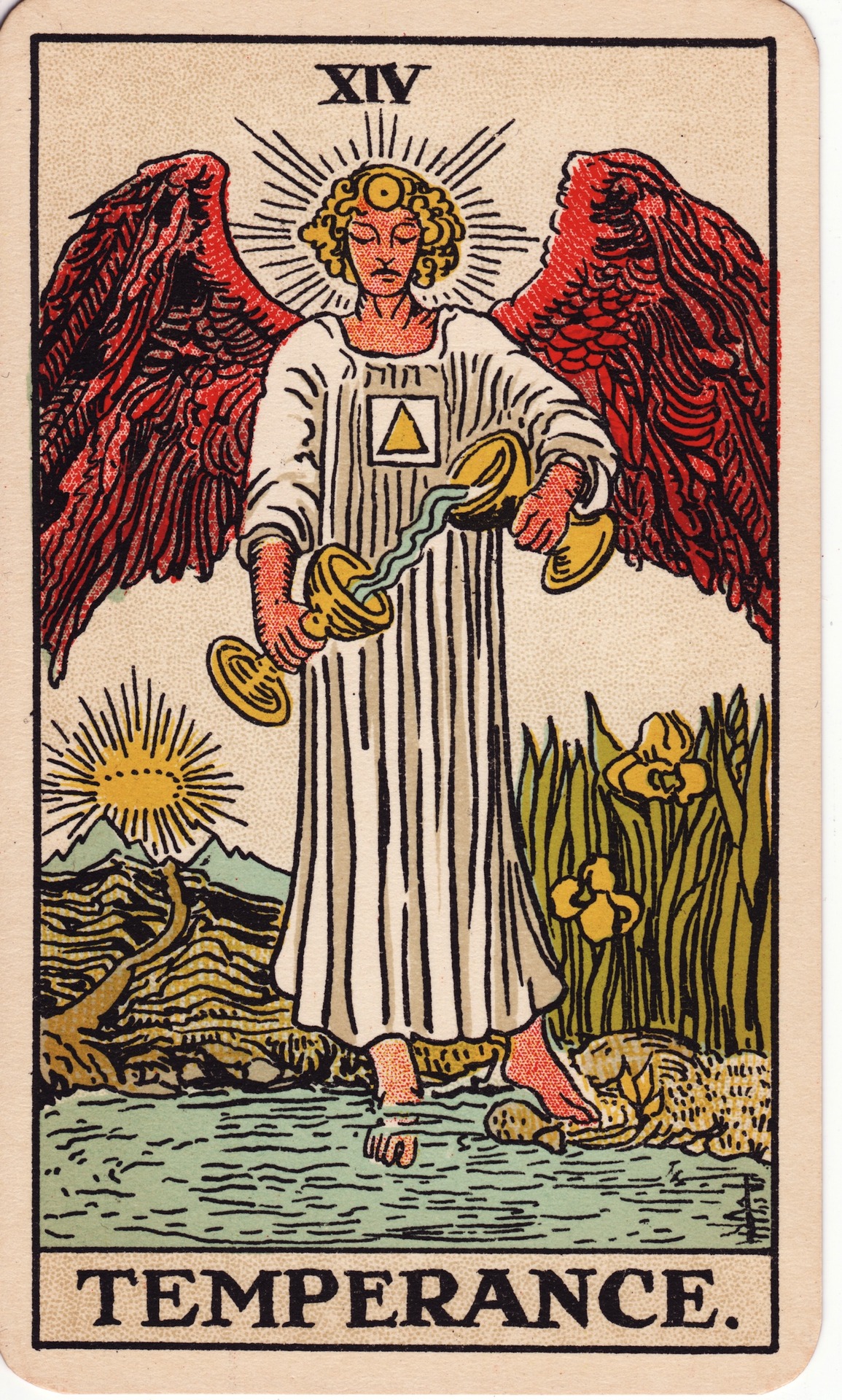
The Hermit + Temperance
Integration—slow, steady balance and repair.
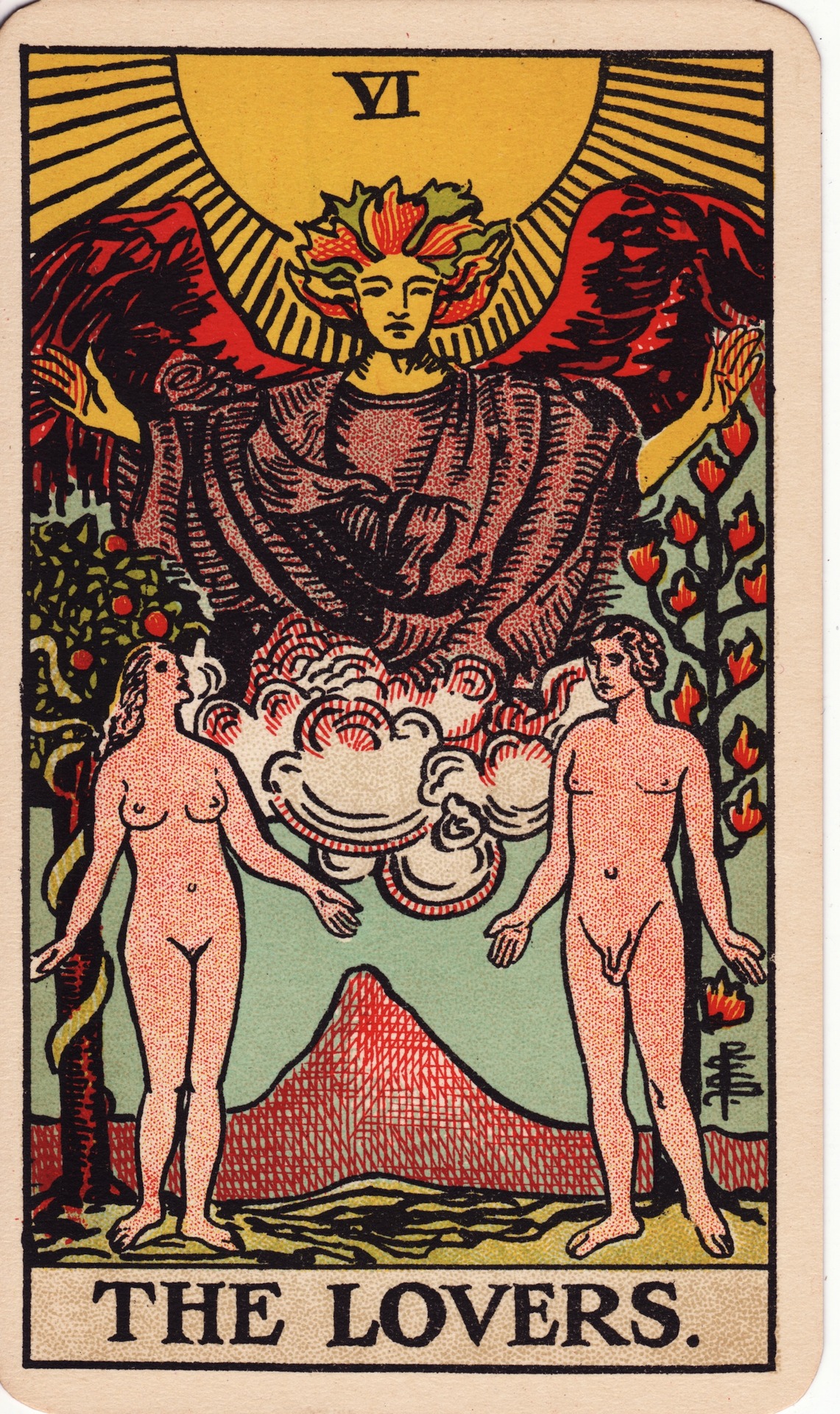
The Hermit + The Lovers
Choose with values—clarity before commitment.
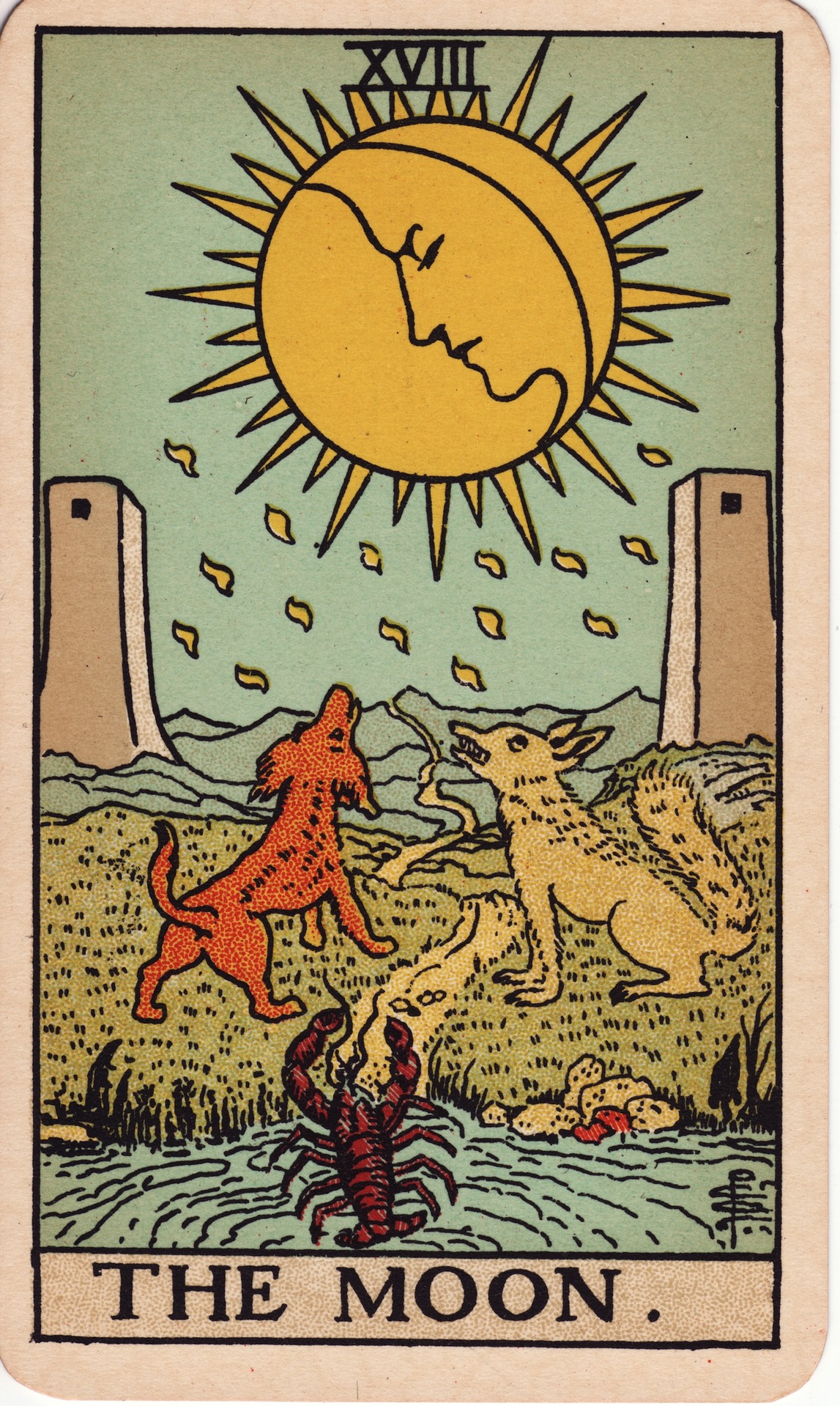
The Hermit + The Moon
Confusion vs insight—slow down, check assumptions, protect your nervous system.
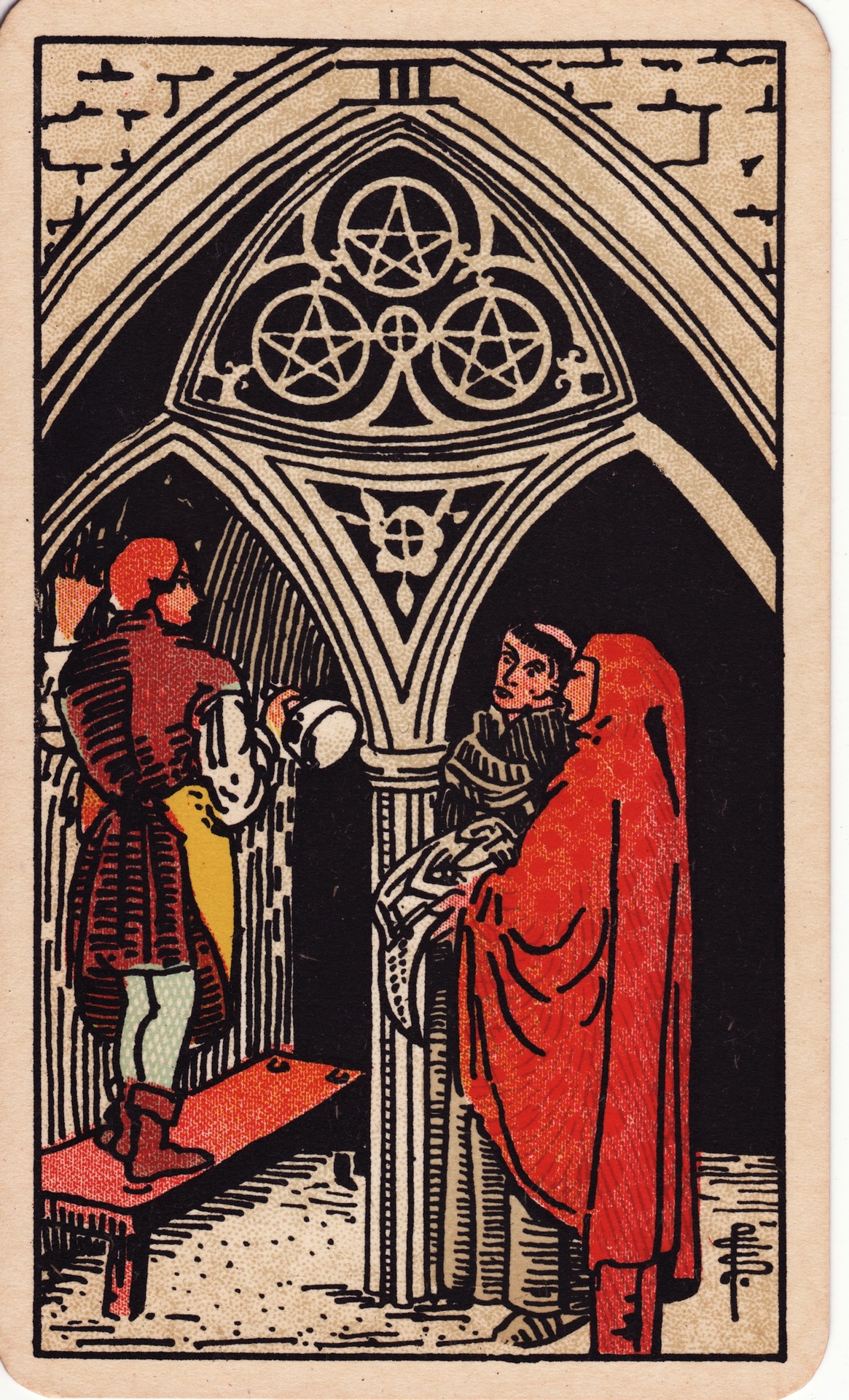
The Hermit + Three of Pentacles
Mastery and mentorship—learn, refine, and collaborate wisely.
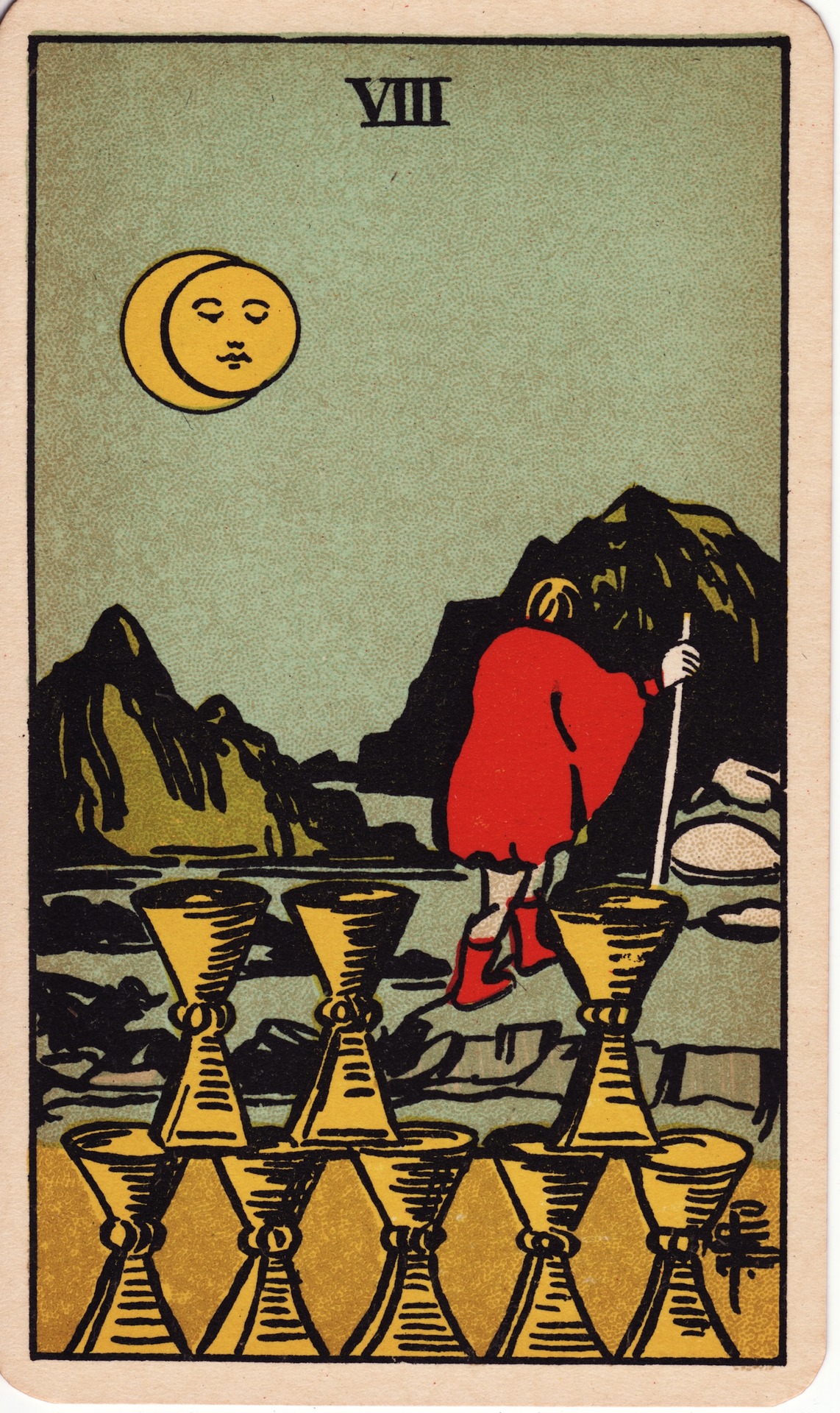
The Hermit + Eight of Cups
Walking away to heal—leave what drains you with dignity.
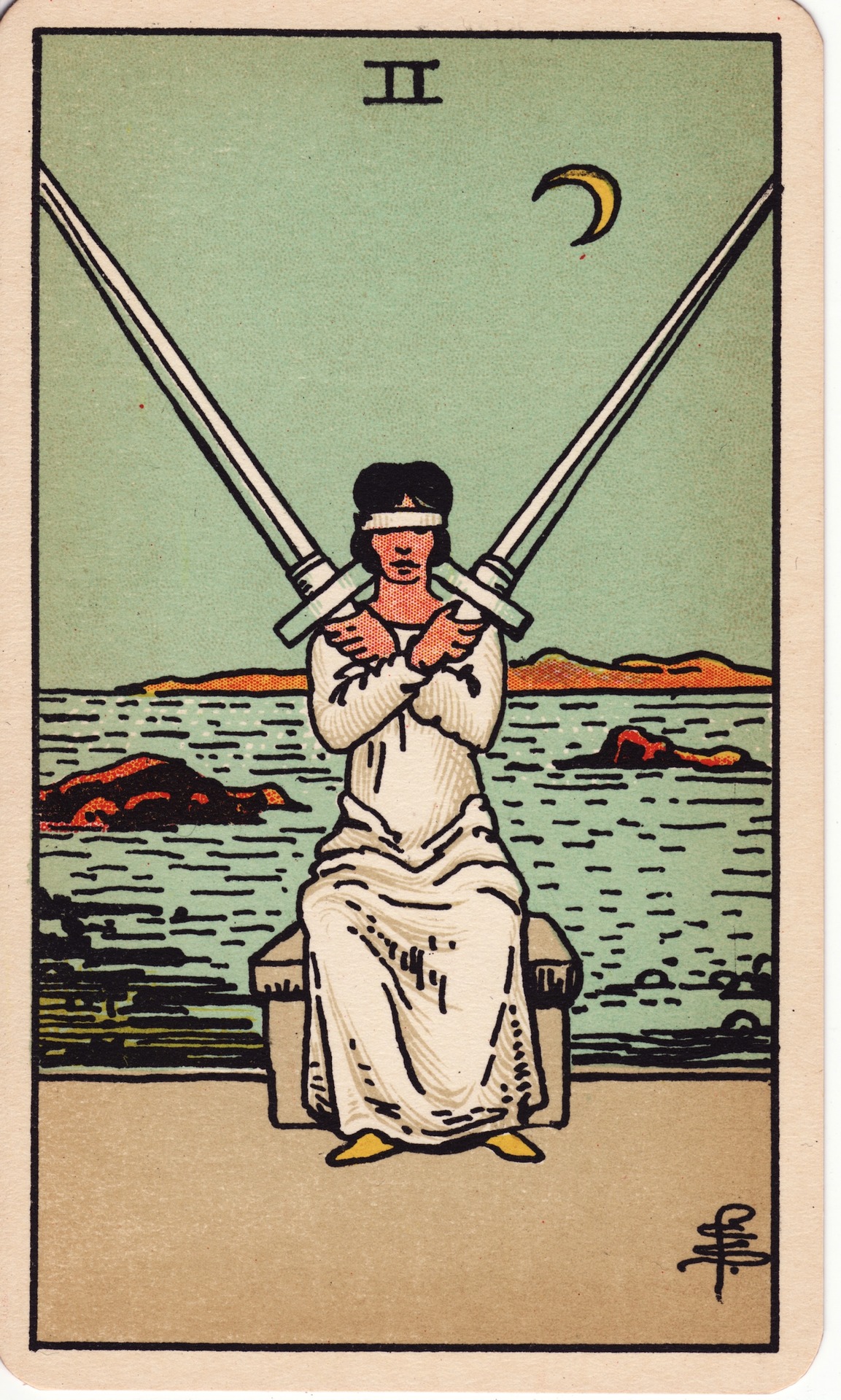
The Hermit + Two of Swords
Decision pause—set a deadline and choose one next step.
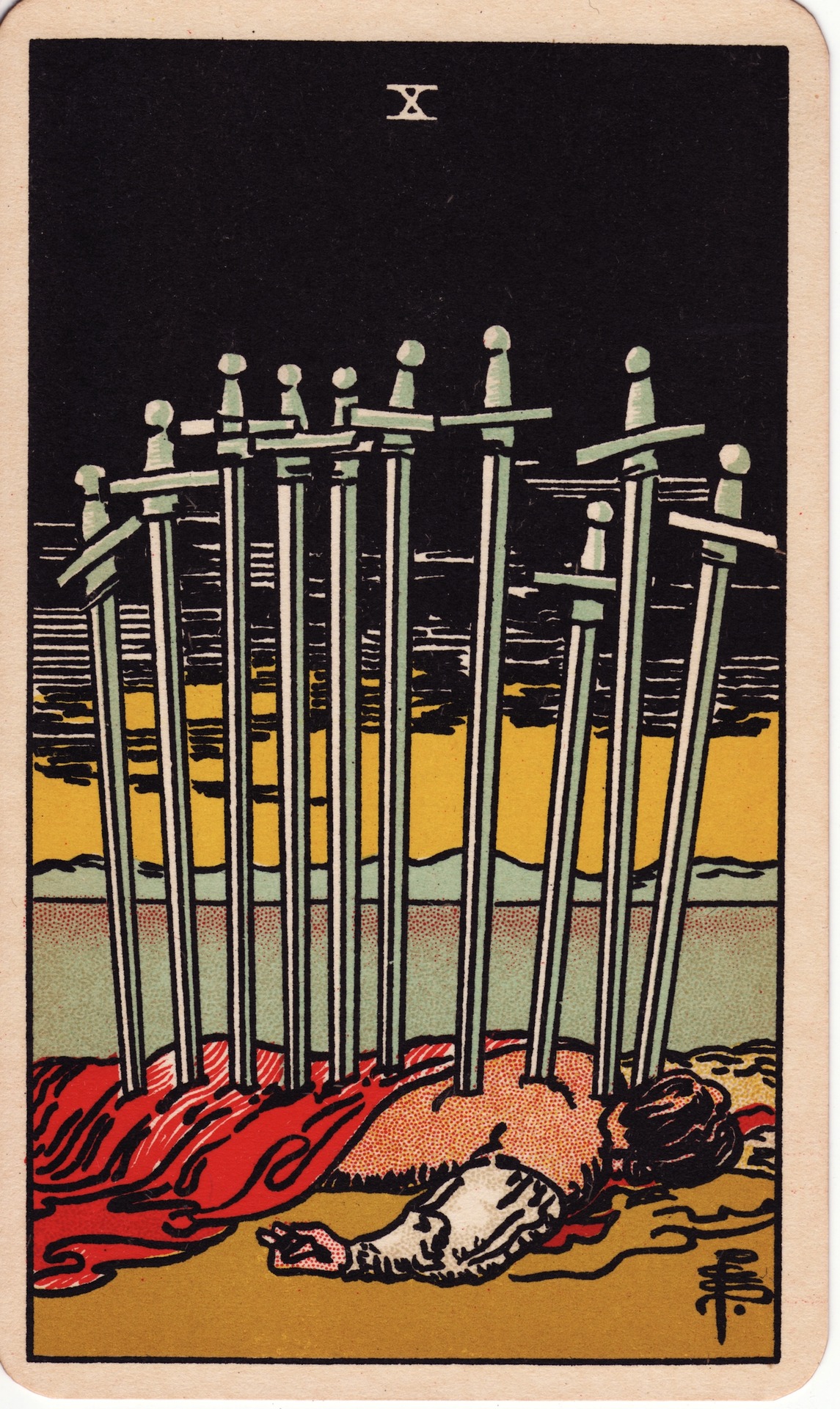
The Hermit + Ten of Swords
Endings and recovery—grieve, integrate the lesson, then rebuild gently.
Common Misconceptions
-
“Strength means you must tolerate everything.” Strength often includes boundaries; patience is not the same as self-abandonment.
-
“This card is only about physical strength.” It usually speaks to emotional courage and steady self-control.
-
“If I feel fear, I’m not strong.” Fear can be part of strength; the key is how you respond.
-
“Reversed means you’re weak.” Reversed often highlights depletion or self-doubt—an invitation to rest and rebuild.
-
“Being gentle means being a pushover.” Gentle can still be firm, clear, and consistent.
-
“This guarantees relationship loyalty.” It may suggest loyalty themes, but real loyalty is confirmed through actions and agreements.
-
“This confirms what someone else feels.” Tarot can suggest themes, but feelings are confirmed through communication and behavior.
Practical Actions & Habits
⚡ Practical Actions Today
- Choose one calm boundary and communicate it.
- Do one small hard thing you’ve been avoiding.
- Practice a 60-second breathing reset.
- Replace one harsh thought with a kinder truth.
- Ask for one specific support.
- Move your body for 10 minutes.
- End the day by naming one win.
📅 7-Day Habit Plan
- Day 1: Name your biggest trigger and your calm response.
- Day 2: Set one boundary that reduces emotional labor.
- Day 3: Do one courage task in 15 minutes.
- Day 4: Have one gentle honest conversation.
- Day 5: Build a recovery routine (sleep, food, movement).
- Day 6: Practice self-trust: keep one promise to yourself.
- Day 7: Review what improved and what needs support.
Deepening Practices
📓 Journaling Prompts
Where am I strong but tired? What boundary would protect my heart? What feeling am I avoiding naming? What does “firm and kind” look like here? Where do I over-give to earn love? What would I do if I trusted myself? What is one small act of courage I can repeat daily? What helps my nervous system feel safe? What am I trying to force, and what might I allow? What does self-respect require this week?
💬 Affirmations
“I am strong in a gentle way. I meet my feelings with compassion and clarity. I set boundaries that protect my peace. I choose calm courage over reaction. I trust myself to handle discomfort. I ask for support when I need it. I build confidence through consistent action. I can be soft and still be firm. I release shame and choose self-respect. I respond thoughtfully, not impulsively. I honor my needs without guilt. I grow stronger with patience and care.”
🧘 Meditation & Ritual
Visualization: Close your eyes and take a slow breath in, then a longer breath out. Imagine a warm light in your chest—steady, not intense. With each exhale, let your shoulders soften. Now picture a lion in front of you: powerful, emotional, honest. This lion is not your enemy. It represents your instincts—fear, desire, anger, longing. Gently say in your mind, “I see you.” Place a calm hand on the lion’s mane and notice how your body feels when you choose presence instead of control. Ask, “What do you need to feel safe right now?” Let one simple answer arise: rest, honesty, boundaries, support, movement, time. Take one more breath and choose one small action you can do today that honors that need. Open your eyes and write it down in one sentence.
Short Ritual: Choose a quiet place and sit comfortably. Place one hand on your heart and one on your belly. Take five slow breaths and soften your jaw. Write one boundary you are ready to uphold. Write one act of courage you will do within 24 hours. Place the paper under a small stone or book as an anchor. Do the first 2 minutes of the courage act immediately.
📚 Sources & Further Reading
This interpretation draws upon historical tarot scholarship and authoritative resources:
- The Pictorial Key to the Tarot (1910) - A.E. Waite (Sacred Texts)
- Encyclopaedia Britannica - Leo
- Wikipedia - Strength
- Biddy Tarot - Deep Dive Meaning & Symbolism
- Tarot.com - Strength
- Labyrinthos - Strength Meaning
Frequently Asked Questions
Strength tarot meaning often points to inner courage, patience, and compassionate self-control. Many readers interpret it as steady resilience that helps you act with dignity instead of reacting from pressure.
In love, Strength often suggests loyalty, emotional maturity, and steady affection. It can also be a reminder to keep boundaries so patience does not turn into self-abandonment.
As feelings, Strength can suggest warm attraction, respect, and care expressed through gentle consistency. Because feelings are interpretive, confirm with communication and reliable behavior.
Reversed, Strength often points to self-doubt, burnout, or forcing outcomes instead of staying grounded. It may be a sign to rest, ask for support, and rebuild confidence through small steps.
Strength is often read as “yes,” especially when patience, emotional maturity, and consistent effort are required. The strongest yes comes when you keep boundaries and stay steady.
For career, Strength often suggests calm leadership, resilience, and influence without force. It can be helpful when pressure is high and you need emotional intelligence to navigate conflict.
Disclaimer: Tarot is a tool for introspection and entertainment. It is not a substitute for professional medical, legal, or financial advice. Creating your own future is your greatest power.